Elective surveillance gastroscopy in Barrett's oesophagus: a case study and review of the clinical endoscopist's role
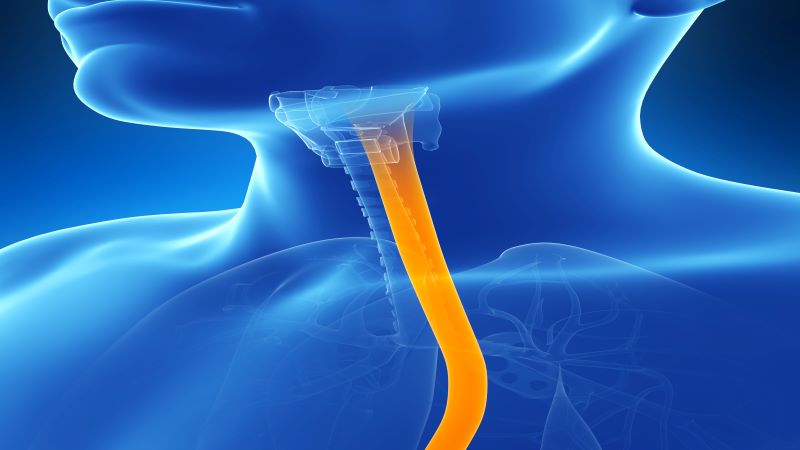
Barrett's oesophagus is characterised by the replacement of the stratified squamous epithelium that lines the distal oesophagus with red columnar epithelium. It is linked to gastro-oesophageal reflux disease (GORD) and increases the risk of oesophageal adenocarcinoma. Gold-standard surveillance is gastroscopy (oesophago-gastro-duodenoscopy), with measurement by mucosal observation according to the Prague Classification and histopathological biopsy to identify intestinal metaplasia. The American Society of Anesthesiologists (ASA) Classification helps assess a patient's risk of adverse events, including hypoxia, infection, bleeding or perforation. This article examines the clinical endoscopist's role in this pathway in reference to British Society of Gastroenterology and international guidelines, research and a case study.
Ita Boyle - Clinical Endoscopist, Princess Alexandra Hospital NHS Trust, Harlow